
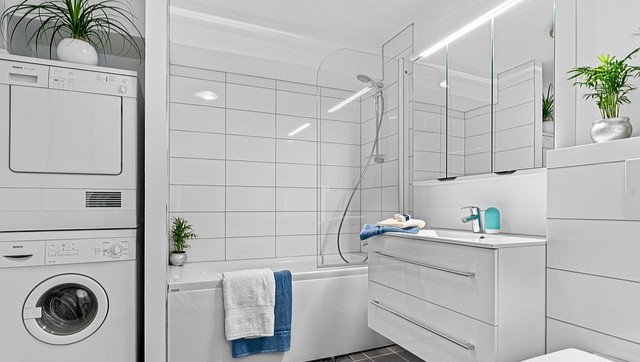
Cracked tiles, deteriorating grout and damaged seals can allow moisture to move beyond the surface of a shower. NexGen Tradies provides practical shower repairs in Perth, including regrouting, cracked tile replacement and repairs around plumbing penetrations. The correct solution depends on whether the damage is limited to the visible surface or indicates a deeper waterproofing problem.
With experience in property repairs and maintenance across Perth, the NexGen Tradies team begins by assessing the affected area rather than simply covering over the warning signs.
Cracked grout or a damaged tile does not always mean the entire shower must be rebuilt. Localised repairs may be possible when the surrounding tiles, substrate and waterproofing remain sound. However, recurring cracks, loose tiles, moisture damage or leaks outside the shower can indicate a more extensive problem that needs further investigation.
What Causes Grout and Shower Tiles to Deteriorate?
Shower surfaces are exposed to water, cleaning products, temperature changes and regular movement. Over time, grout can become discoloured, brittle or cracked. Silicone seals may also separate from corners, shower screens or plumbing fittings.
Common causes of shower damage include:
- Ageing or deteriorated grout
- Movement in the wall or floor substrate
- Poorly installed or unsupported tiles
- Failed silicone seals
- Impact damage
- Moisture entering around plumbing penetrations
- Inadequate falls that allow water to pool
- An underlying waterproofing-system failure
The visible crack is not always the complete problem. A damaged tile may be a straightforward maintenance issue, but repeated cracking in the same location may indicate movement underneath the tiled surface.
Can a Shower Be Repaired Without Removing Every Tile?
Yes, some showers can be repaired without removing all the tiles. If the problem is confined to deteriorated grout, failed silicone or one or two damaged tiles, a targeted repair may be suitable.
Before recommending a localised repair, the surrounding area should be checked for:
- Loose or drummy tiles
- Swollen or damaged wall materials
- Persistent moisture
- Staining on adjoining walls
- Soft flooring near the shower
- Cracks that continue across several tiles
- Signs of water escaping from the shower enclosure
If these warning signs are present, replacing a tile or applying new grout may improve the appearance without correcting the underlying cause. NexGen Tradies assesses the condition first so the proposed work matches the actual problem.
When Does a Shower Need Regrouting?
Regrouting may be appropriate when the existing grout has become cracked, stained, powdery or difficult to clean, but the tiles and underlying structure remain stable.
The process generally involves:
- Inspecting the tiled area and identifying damaged sections.
- Removing deteriorated grout to a suitable depth.
- Cleaning the joints and allowing the area to dry.
- Applying the appropriate replacement grout.
- Renewing flexible sealant where required.
- Checking the finished joints and cleaning the tiled surface.
New grout can refresh the appearance of a shower and help maintain the tiled surface. However, grout is not a substitute for a compliant waterproofing system. Regrouting alone should not be presented as the solution when water is already reaching adjoining walls, floors or rooms.
What Are Waterproofing Breaches Around Plumbing Penetrations?
A plumbing penetration is any point where a pipe, tap fitting, shower outlet or similar component passes through a wall or tiled surface. These areas need to be properly detailed and sealed because gaps can create a pathway for moisture.
Warning signs around a plumbing penetration can include:
- Loose or poorly fitted cover plates
- Missing or deteriorated sealant
- Moisture marks around taps or shower fittings
- Movement in the fitting
- Dampness appearing on the opposite side of the wall
- Recurring mould or paint damage nearby
The first step is to determine whether the moisture is entering around the fitting or coming from the plumbing itself. If a pipe, tap body or connection is leaking, a licensed plumber may be required to repair it before any surrounding wall, tile or seal work is completed.
Where waterproofing has failed beneath the tiles, the affected area may need to be opened and assessed. The extent of the repair will depend on the condition of the membrane, substrate and surrounding finishes.
Does New Grout Make a Shower Waterproof?
No. Grout helps fill and protect the joints between tiles, but it is not the shower’s primary waterproofing system.
The waterproofing membrane sits behind or beneath the finished tiled surface. If that membrane has failed, applying fresh grout over the tiles will not necessarily stop water from moving into the wall or floor structure.
This distinction is important because a freshly regrouted shower can look excellent while still having a concealed moisture problem. A proper assessment helps determine whether the repair is cosmetic, preventative or structural.
How Are Cracked Shower Tiles Replaced?
A cracked shower tile may be replaceable without disturbing the entire wall, provided it can be removed without causing unacceptable damage to the surrounding area or underlying waterproofing.
A typical localised tile replacement may involve:
- Checking the tile and surrounding joints for movement.
- Carefully removing the grout around the damaged tile.
- Breaking out and removing the cracked tile in controlled sections.
- Inspecting the exposed surface for moisture or substrate damage.
- Completing any appropriate preparation or repair.
- Installing a suitable replacement tile.
- Regrouting and sealing the repaired area.
Matching an older tile can sometimes be difficult. If the original tile is no longer available, the homeowner may need to choose the closest available match or use a deliberate contrasting tile. Keeping spare tiles after a renovation can make future repairs much easier.
Why Do Replacement Tiles Sometimes Crack Again?
A replacement tile can crack again if the original cause was movement, inadequate support or deterioration beneath the tile.
Before installing a replacement, it is important to look for:
- A hollow or poorly bonded area
- Movement in the wall lining or substrate
- Cracks continuing into adjoining tiles
- Damaged backing material
- Moisture-softened surfaces
- Movement around a fitting or shower screen
Replacing the tile without addressing these conditions may lead to another failure. The aim should be to make good the affected area, not merely conceal it temporarily.
What Should Be Checked Before Shower Repairs Begin?
A useful shower assessment considers the whole wet area rather than focusing on the most visible crack.
NexGen Tradies may check:
- Grout joints and flexible corner seals
- Tile movement and hollow-sounding areas
- Shower screen junctions
- Tap and shower outlet penetrations
- Evidence of moisture outside the shower
- Paint bubbling or mould on nearby walls
- Skirting boards and flooring near the bathroom
- The availability of matching replacement tiles
- Whether a plumber or another licensed trade is required
This helps establish whether a targeted maintenance repair is reasonable or whether the shower requires more extensive investigation.
Why Early Shower Repairs Matter in Perth Homes
A small crack can be easy to ignore, particularly when the shower still appears to function normally. However, moisture can travel behind tiles and affect areas that are not immediately visible.
Addressing damaged grout, failed seals or cracked tiles early may help prevent a relatively contained maintenance job from becoming a larger repair involving wall sheeting, flooring, cabinetry or adjoining rooms.
Perth homes can also experience building movement and material expansion during seasonal temperature changes. While not every crack signals a serious problem, recurring or spreading cracks deserve closer attention.
When Should You Arrange a Professional Assessment?
Consider arranging an inspection when:
- Grout cracks return soon after being repaired
- A tile is loose, cracked or lifting
- Mould repeatedly appears in the same location
- Paint is bubbling outside the bathroom
- The floor feels soft near the shower
- There is a persistent damp smell
- Water appears in an adjoining room
- Several tiles sound hollow
- You are unsure whether the problem is grout, plumbing or waterproofing
NexGen Tradies can inspect the visible damage, identify practical repair options and advise when another appropriately licensed trade should be involved.
Shower Repairs Made Practical
Not every damaged shower requires a complete renovation, but every repair should begin with an honest assessment.
From removing cracked tiles and replacing failed grout to making good affected surfaces around plumbing penetrations, NexGen Tradies provides practical shower repairs for Perth homeowners, property managers and strata properties.
If your shower is showing signs of cracking, movement or moisture damage, contact NexGen Tradies to arrange an assessment before the problem spreads.
Frequently Asked Questions
Can cracked shower grout cause water damage?
Cracked grout can allow more moisture to reach the layers beneath the tiled surface. The waterproofing membrane should provide the main protection, but damaged grout should still be repaired and the surrounding area checked for other problems.
Can one cracked shower tile be replaced?
Yes, a single tile can often be replaced if the surrounding tiles, substrate and waterproofing remain in suitable condition. The area should be assessed for movement or moisture damage before the new tile is installed.
Will regrouting fix a leaking shower?
Regrouting may help when the issue is limited to deteriorated surface joints. It will not reliably repair a leaking pipe, damaged substrate or failed waterproofing membrane.
Who repairs a leak around shower taps?
The cause must be identified first. A licensed plumber may be required when the leak comes from the tap body, pipework or plumbing connection. Repairs to surrounding tiles, seals or wall finishes may then be completed separately.
How do I know if the shower waterproofing has failed?
Possible signs include moisture outside the shower, swollen skirting, bubbling paint, recurring mould, loose tiles or dampness in an adjoining room. These symptoms require assessment because they can also have other causes.
Do replacement shower tiles need to match exactly?
An exact match is preferable but may not be available for older tiles. A close match or intentional feature tile may be used, depending on the homeowner’s preference and the location of the repair.
Recent Comments