
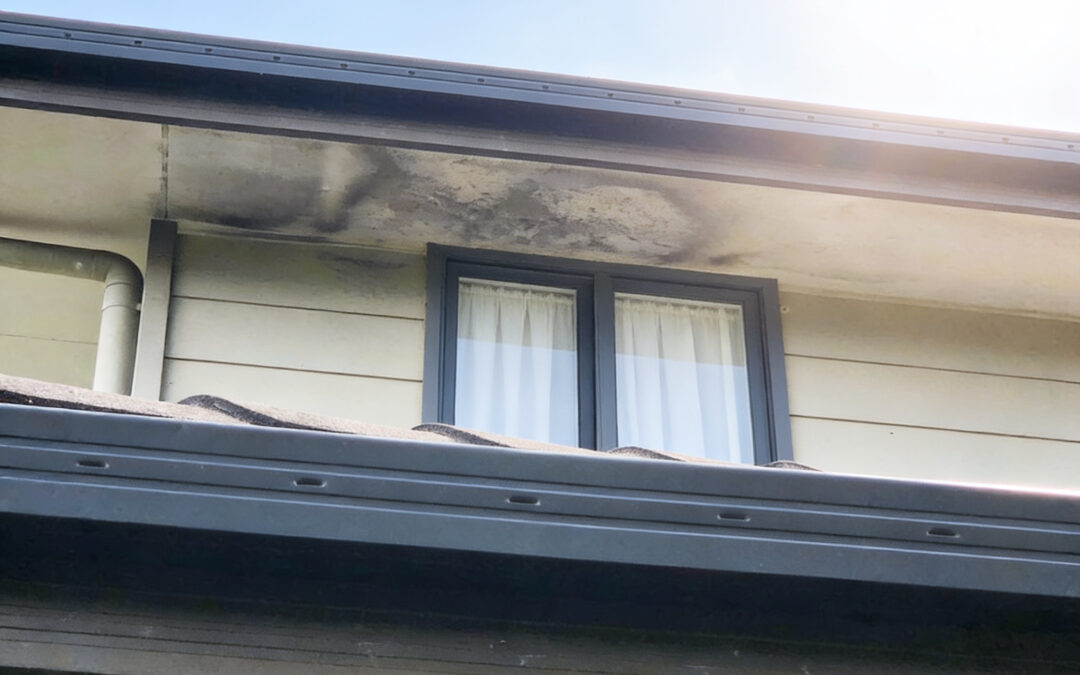
Mould, cracking and peeling paint around the eaves can indicate more than an appearance problem. NexGen Tradies provides practical eave repairs in Perth, including investigating visible damage, removing surface mould, replacing appropriate cracked sheeting and preparing repaired areas for painting. Before work begins, the source of moisture and the type of existing sheeting must be considered.
Repairing the damage without correcting its cause can allow stains, mould and cracks to return. A careful assessment helps determine whether the problem is isolated maintenance or a sign of another roof or drainage defect.
Eave mould and cracked sheeting should be assessed before they are cleaned or painted. Common causes include overflowing gutters, roof leaks, poor drainage and persistent shade. Damaged sheeting may need replacement, but older eave products could contain asbestos and must not be drilled, sanded or removed until their composition is confirmed.
What Are Eaves and Why Do They Need Maintenance?
Eaves are the sections of a roof that extend beyond the external walls of a home. The horizontal lining beneath this overhang is commonly called an eave lining or soffit.
Eaves help protect walls, windows and doors from direct exposure to sun and rain. They can also provide ventilation to the roof space when suitable vents are installed.
Although eaves are partially sheltered, they remain exposed to:
- Wind-driven rain
- Overflowing gutters
- Roof leaks
- Condensation and humidity
- Insects and pests
- Temperature changes
- Dirt and airborne contaminants
- Falling branches and impact damage
- Ageing paint and sealants
Regular attention helps maintain both the appearance and condition of this important part of the home’s exterior.
Why Does Mould Grow on Eaves?
Mould generally needs moisture and suitable organic material on which to grow. Eaves may develop mould when they remain damp or shaded for extended periods.
Common contributing factors include:
- Gutters overflowing during rain
- Leaking or poorly aligned gutters
- Damaged roof tiles
- Water entering near roof junctions
- Blocked downpipes
- Persistent shade from trees
- Limited airflow
- Condensation near roof vents
- Dirt collecting on painted surfaces
- Peeling or deteriorated paint
- Moisture from nearby bathrooms or exhaust systems
Mould concentrated in one small area can provide a useful clue. For example, growth directly beneath a gutter joint or roof valley may suggest that water is escaping above it.
Cleaning the surface may improve its appearance, but the mould is likely to return if the moisture source remains.
Is Mould on Eaves Always Caused by a Roof Leak?
No. Roof leaks are one possible cause, but mould can also result from condensation, shade, overflowing gutters or surface dirt that remains damp.
The location and pattern of the mould can help guide the inspection. Questions worth considering include:
- Does the mould become worse after rain?
- Is it directly below a gutter joint or valley?
- Are there nearby trees creating constant shade?
- Is paint peeling or bubbling in the same area?
- Are water marks visible on the fascia?
- Is an exhaust vent discharging nearby?
- Are there signs of moisture inside the roof space?
- Does the gutter overflow during heavy rain?
The aim is to distinguish a surface-maintenance issue from a continuing source of water.
Can Mould Simply Be Painted Over?
No. Painting directly over mould is unlikely to produce a clean or durable result. The growth and affected surface must first be treated appropriately, and the area needs to be dry before preparation and painting begin.
Painting over active mould can lead to:
- Staining showing through the new coating
- Poor paint adhesion
- Bubbling or flaking
- Continued growth beneath the coating
- The mould returning around the repaired area
- A short-lived finish
The moisture source should be addressed first. The surface can then be cleaned or treated using a method suitable for the material and condition of the eaves.
What Causes Eave Sheeting to Crack?
Eave sheeting can crack because of age, movement, impact or moisture-related deterioration.
Possible causes include:
- Movement in the roof or supporting frame
- Failed or incorrectly spaced fixings
- Water damage
- Swelling or deterioration of the sheet
- Storm or branch impact
- Pest activity
- Previous repairs
- Open or poorly supported sheet joints
- Movement around vents or light fittings
- Accidental damage during other maintenance
A fine crack at a joint may require a different repair from a broken, sagging or moisture-damaged sheet. If the material has softened, separated or lost its support, replacement may be more appropriate than patching.
Should Cracked Eave Sheeting Be Patched or Replaced?
The decision depends on the material, extent of damage and condition of the surrounding area.
A small, stable defect in suitable modern sheeting may sometimes be repairable. Replacement may be recommended when:
- The crack continues across a large section
- The sheet has sagged
- Water has weakened the material
- Edges have separated from their fixings
- Several cracks are present
- A section is broken or missing
- The surface cannot support a durable repair
- The underlying support also requires attention
Before any sheet is cut or removed, it is important to identify what it is made from—particularly on an older Perth property.
Could Older Eave Sheeting Contain Asbestos?
Yes. Some older Australian homes have eave or soffit linings made from asbestos-containing fibre cement sheeting. Its presence cannot be reliably confirmed merely by looking at it.
Potential asbestos-containing material should not be drilled, cut, scraped, sanded, pressure cleaned or otherwise disturbed. If there is uncertainty, the material should be treated cautiously and assessed or tested through an appropriate asbestos professional before repair or removal.
Where asbestos is confirmed or suspected, applicable safety requirements must be followed and appropriately authorised specialists may be required.
This does not mean every older eave contains asbestos. It means the material must be identified before work that could release hazardous fibres begins.
What Happens During an Eave Repair?
The process depends on the problem, but a typical assessment and repair may include:
- Inspecting the damaged eave from a safe access position.
- Looking for signs of roof, gutter or drainage problems.
- Identifying the likely eave-sheet material.
- Checking whether specialist testing or assistance is required.
- Addressing the source of moisture where it falls within the work scope.
- Removing surface mould using a suitable method.
- Removing damaged modern sheeting where appropriate.
- Checking the supporting frame and fixing points.
- Installing compatible replacement sheeting.
- Finishing joints and fixing points.
- Preparing, priming and painting the repaired area.
- Checking the completed work and surrounding surfaces.
Work involving roofing, electrical fittings, asbestos-containing material or another regulated area may require an appropriately licensed or qualified professional.
Why Surface Preparation Matters Before Painting
Good preparation is essential when painting repaired eaves. Applying paint to a dirty, damp or unstable surface can lead to premature failure.
Depending on the material and its condition, preparation may include:
- Removing loose or flaking paint
- Cleaning dirt and surface contamination
- Treating residual mould
- Allowing the area to dry thoroughly
- Repairing joints and fixing points
- Sealing exposed or repaired surfaces
- Applying a suitable primer
- Using an exterior coating appropriate for eaves
The preparation method must suit the existing material. Suspected asbestos-containing sheeting must not be sanded or mechanically disturbed.
What Else Should Be Checked When Eaves Are Damaged?
Eave damage can be a symptom of a problem elsewhere. NexGen Tradies may also look for:
- Cracked or displaced roof tiles
- Deteriorated ridge capping
- Blocked or overflowing gutters
- Leaking gutter joints
- Water marks on fascia boards
- Damaged downpipes
- Gaps that allow pest entry
- Loose or missing vents
- Peeling paint on nearby exterior surfaces
- Visible damage around roof penetrations
Checking the surrounding area reduces the chance of completing a neat eave repair while overlooking the defect responsible for the damage.
A Ground-Level Check After Perth Rain
After a period of rain, walk around the home without climbing a ladder or accessing the roof. Look for:
- Dark or damp patches beneath gutters
- Water marks running down fascia boards
- Mould concentrated in corners
- Paint bubbles or flakes
- Sagging sections of eave lining
- Cracks that appear to be spreading
- Pieces of sheeting or paint on the ground
- Gutters overflowing at particular locations
Photographs can help track whether a stain or crack is changing. Avoid touching, scraping or testing older damaged sheeting yourself.
Why Spring Is a Good Time for Eave Repairs in Perth
Perth’s winter rain can reveal leaking gutters, damaged roof tiles and other moisture pathways. By spring, mould growth, paint deterioration or cracking beneath the roofline may be more noticeable.
Addressing these problems during milder weather allows wet areas time to dry and prepares exterior surfaces before summer heat. It is also an opportunity to check for branches, leaves and storm debris that may have affected the roofline.
For landlords and strata managers, spring eave maintenance can help identify small exterior defects before they begin affecting larger sections of the building.
When Should You Arrange an Eave Inspection?
Consider arranging an assessment when:
- Mould returns after cleaning
- The lining is cracked, sagging or broken
- Paint is bubbling or peeling
- Water marks appear after rain
- Gutters overflow above the damaged section
- Fascia boards show signs of deterioration
- Birds or pests are entering through gaps
- Part of the eave lining is loose
- The home is older and the sheet material is unknown
- The cause of the damage is unclear
Prompt investigation can help determine whether the area needs cleaning, patching, sheet replacement, painting or attention from another qualified trade.
Arrange Eave Repairs in Perth
NexGen Tradies assists Perth homeowners, landlords, strata managers and property managers with practical eave repairs and exterior property maintenance.
From removing surface mould and replacing suitable damaged sheeting to preparing and painting the repaired section, the focus is on making the area good while considering why the damage occurred.
If your eaves are mouldy, cracked, sagging or peeling, contact NexGen Tradies to arrange an assessment before the affected area becomes more extensive.
Frequently Asked Questions
Why is mould growing on my eaves?
Mould on eaves is commonly associated with ongoing moisture, shade, overflowing gutters, roof leaks, condensation or dirty surfaces that remain damp.
Can mouldy eaves be painted over?
No. The moisture source should be investigated, and the mould must be appropriately treated before the surface is prepared, primed and painted.
Can cracked eave sheeting be repaired?
Some small defects in suitable modern sheeting may be repairable. Sheeting that is sagging, extensively cracked, water damaged or poorly supported may need replacement.
Can eave sheeting contain asbestos?
Yes. Some older homes have eave linings made from asbestos-containing fibre cement. If the material is unknown, it should be assessed before it is drilled, cut, sanded or removed.
Why is the paint peeling from my eaves?
Peeling paint can result from moisture, inadequate preparation, ageing coatings, dirt, mould or painting over a surface that was damp or unstable.
Should damaged eaves be checked after winter?
Yes. Perth’s winter rain can expose roof, gutter and drainage defects. A spring check may reveal mould, stains, cracking, sagging or peeling paint requiring attention.
Recent Comments