
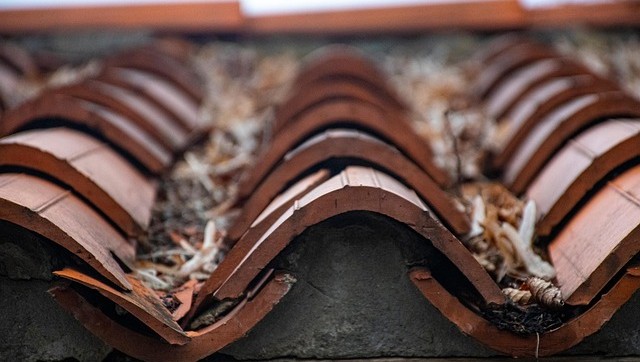
Cracked or missing ridge capping mortar can leave a tiled roof vulnerable to movement and water entry. NexGen Tradies provides practical roof ridge capping repairs in Perth, including removing deteriorated mortar, resetting affected ridge tiles and making damaged sections good. The right repair depends on the condition of the mortar, ridge tiles and surrounding roof—not simply how the roof looks from the ground.
Perth’s spring weather provides a useful opportunity to address roof damage revealed by winter rain before the hotter months place further stress on ageing mortar.
Small surface cracks do not always mean the entire ridge capping needs replacement. However, loose ridge tiles, crumbling mortar, open gaps and repeated cracking require attention. A proper inspection can determine whether a localised mortar repair, repointing or removal and rebedding of the affected ridge tiles is the appropriate solution.
What Is Roof Ridge Capping?
Ridge capping refers to the specially shaped tiles installed along the highest horizontal point of a tiled roof. Similar tiles may also be used along sloping roof junctions known as hips.
These ridge and hip tiles help cover the joints where different roof sections meet. On many tiled Perth homes, the capping tiles are secured on a bed of mortar and finished with pointing material along the exposed edges.
This system helps to:
- Hold the ridge and hip tiles in position
- Protect the junctions between roof slopes
- Reduce opportunities for wind-driven rain to enter
- Create a secure and weather-resistant roof finish
- Maintain a neat and consistent roofline
When the mortar deteriorates, sections of the ridge capping may loosen or develop gaps that require repair.
Why Does Ridge Capping Mortar Crack?
Roof mortar is exposed to heat, rain, wind and ongoing temperature changes. Perth roofs can become extremely hot during summer and then cool considerably overnight. Over time, this repeated expansion and contraction can contribute to cracking.
Other possible causes include:
- Natural ageing and weathering
- Movement within the roof structure
- Previous repairs that did not bond correctly
- Poor preparation or application
- Storm or impact damage
- Movement in adjoining roof tiles
- Foot traffic from earlier roof work
- Deterioration of older bedding mortar
- Tree branches or debris striking the roof
One fine surface crack may not indicate an immediate failure. Multiple cracks, missing mortar, loose sections or ridge tiles that can move are more concerning.
What Are the Warning Signs of Failed Ridge Capping?
Some ridge capping problems can be difficult to see safely from ground level. Binoculars or photographs taken from a suitable distance may reveal obvious damage, but homeowners should not climb onto a roof to investigate.
Warning signs can include:
- Cracked or crumbling mortar
- Gaps beneath ridge or hip tiles
- Pieces of mortar appearing in gutters or on the ground
- Ridge tiles that appear uneven or displaced
- Water marks inside the roof space
- Damp patches on ceilings after rain
- Debris visible around roof junctions
- Birds or insects entering through gaps
- Recurring movement after previous patching
- A roofline that no longer appears straight
A ceiling stain does not automatically prove that the ridge capping is responsible. Water can enter at one point and travel along roof timbers before becoming visible elsewhere, so the surrounding roof should also be inspected.
Does Cracked Mortar Always Need to Be Replaced?
No. The repair depends on the depth of the cracking and the stability of the existing ridge tiles and bedding mortar.
Minor cracking may be suitable for a localised repair when the underlying mortar is still firm and well bonded. More extensive deterioration may require the affected pointing to be removed and renewed.
If the bedding mortar has broken down or the ridge tiles have become loose, a surface patch is unlikely to provide a durable result. The affected capping tiles may need to be lifted, the failed bedding removed and the tiles reset.
The important distinction is whether the damage is limited to the exposed finish or extends into the mortar bed supporting the tile.
Repointing Versus Rebedding: What Is the Difference?
Repointing and rebedding address different parts of a ridge capping system.
Repointing involves renewing the exposed pointing along the edges of ridge or hip tiles. It may be suitable where the capping remains firmly bedded but the outer pointing is cracked, separated or deteriorated.
Rebedding is a more involved repair. The affected ridge tiles are removed, the old or failed bedding mortar is cleared away, and the tiles are reset on a new mortar bed. The repaired section is then pointed to complete the finish.
In simple terms:
- Repointing addresses the outer, exposed seal.
- Rebedding addresses the supporting mortar underneath the ridge tiles.
An inspection is required to determine which process is appropriate. Applying pointing over unstable bedding can conceal the problem without properly securing the affected tiles.
Can Only One Section of Ridge Capping Be Repaired?
Yes, a localised ridge capping repair may be possible when the damage is confined to a clearly defined section and the surrounding mortar remains sound.
For example, a short section may have been affected by a fallen branch, previous foot traffic or isolated movement. In this situation, removing and repairing only the damaged area may be more practical than disturbing ridge capping that remains secure.
A targeted repair generally involves:
- Inspecting the affected ridge and adjoining roof tiles.
- Identifying loose, cracked or deteriorated sections.
- Removing unstable pointing or bedding mortar.
- Checking the ridge tiles for cracks or damage.
- Resetting or replacing affected tiles where required.
- Applying the appropriate mortar and pointing materials.
- Checking the surrounding tiles and roof junctions.
- Clearing repair debris from the work area and gutters.
If deterioration is present along most of the ridge line, a broader repair may provide better value and a more consistent result.
Why Can Newly Patched Mortar Crack Again?
New mortar can crack again when it is applied over loose, contaminated or unstable material. A thin cosmetic layer may initially look tidy but will still rely on the deteriorated mortar beneath it.
Recurring cracks can also indicate:
- Movement in the ridge tiles
- Failed bedding mortar
- Inadequate surface preparation
- Moisture or debris affecting adhesion
- Movement within the roof structure
- Damage to surrounding roof tiles
- An unsuitable previous repair
This is why NexGen Tradies assesses the condition beneath the visible crack before recommending how the affected section should be made good.
Should Cracked Ridge Tiles Be Replaced Too?
Yes, a cracked ridge tile should generally be replaced rather than concealed beneath additional mortar. A damaged tile may continue to admit moisture or break further during strong winds and temperature changes.
Replacement tiles should be compatible with the roof profile and installed securely. Matching the colour of an older roof can sometimes be difficult because existing tiles naturally fade and weather over time. The closest practical match may be used where an identical tile is unavailable.
The surrounding field tiles should also be checked because ridge capping damage and cracked roof tiles can occur together.
What Happens During a Ridge Capping Inspection?
A practical inspection should look beyond the most obvious section of cracked mortar.
The assessment may include:
- Ridge and hip capping
- Bedding and pointing condition
- Cracked, chipped or displaced tiles
- Gaps at roof junctions
- Evidence of earlier patch repairs
- Debris collecting in valleys or gutters
- Visible signs of water entry
- Areas affected by tree branches
- Surrounding roof penetrations and flashings
- Safe access requirements
If the inspection identifies plumbing, structural or other regulated work outside the repair scope, an appropriately licensed trade may be required.
Why Spring Is a Good Time to Check Perth Roofs
Perth’s winter rain can expose weak areas in tiled roofs. By early spring, homeowners may notice ceiling marks, fallen mortar or sections that appear to have shifted after periods of wet and windy weather.
Arranging an inspection during the milder months provides an opportunity to address deterioration before summer. Extended heat can place additional stress on ageing mortar and tiles, while leaving repairs until the next wet period may allow an existing problem to worsen.
A spring inspection is particularly worthwhile for older roofs, rental properties, strata complexes and homes surrounded by mature trees.
Why Prompt Ridge Capping Repairs Matter
Deteriorated ridge capping does not usually improve on its own. Once mortar begins to loosen, wind and rain can gradually enlarge the affected area. Loose material may fall into gutters, and unstable ridge tiles can become a greater maintenance and safety concern.
Early repairs may help:
- Keep ridge and hip tiles secure
- Reduce exposure at roof junctions
- Prevent a localised defect from spreading
- Identify nearby cracked or displaced tiles
- Maintain the appearance of the roof
- Reduce the likelihood of more extensive repair work later
The aim is not to replace sound material unnecessarily. It is to identify the failed section, understand why it has deteriorated and complete a repair appropriate to its condition.
Arrange Roof Ridge Capping Repairs in Perth
If you have noticed cracked mortar, loose ridge tiles or pieces of roofing material around your home, NexGen Tradies can inspect the affected area and recommend a practical repair.
From localised mortar repairs to removing and resetting deteriorated ridge capping, NexGen Tradies helps Perth homeowners, landlords, strata managers and property managers make roof defects good before they develop into larger problems.
Contact NexGen Tradies to arrange an assessment of your roof ridge capping and surrounding tiles.
Frequently Asked Questions
What causes roof ridge capping mortar to crack?
Ridge capping mortar can crack because of age, weather exposure, temperature changes, roof movement, impact damage or deterioration of the original bedding and pointing materials.
Can cracked ridge capping cause a roof leak?
Cracked ridge capping can create gaps that increase the risk of wind-driven rain entering the roof. However, roof leaks can have several causes, so the ridge and surrounding roof should be inspected.
Is repointing the same as rebedding ridge tiles?
No. Repointing renews the exposed finish along the edges of the ridge tiles. Rebedding involves removing affected tiles and resetting them on a new supporting mortar bed.
Can one damaged section of ridge capping be repaired?
Yes, a localised repair may be suitable when the damage is confined to one section and the surrounding ridge capping remains firm and serviceable.
How do I know if my ridge tiles are loose?
Possible signs include visible gaps, uneven tiles, crumbling mortar or pieces of mortar in the gutters or around the property. A safe professional inspection is the best way to confirm their condition.
Should I climb onto my roof to inspect the ridge capping?
No. Roof access involves a serious fall risk, and walking on the roof can crack or displace additional tiles. The inspection should be completed using appropriate access and safety procedures.
Recent Comments