
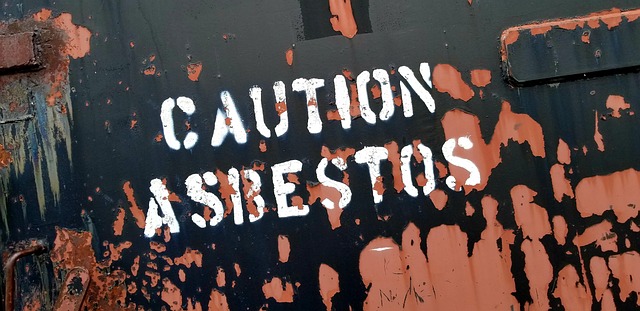
Asbestos, once heralded as a versatile and durable building material, is now recognized as a significant health hazard due to its carcinogenic properties. Removing asbestos from buildings requires specialized knowledge, equipment, and safety protocols to ensure the protection of both workers and occupants. In this article, we delve into the intricacies of asbestos removal and emphasize the importance of entrusting this task to trained professionals.
Understanding the Risk:
Asbestos, a naturally occurring mineral fiber, was widely used in construction for its strength, heat resistance, and insulating properties. However, prolonged exposure to airborne asbestos fibers can lead to serious health risks, including lung cancer, mesothelioma, and asbestosis. Disturbing asbestos-containing materials (ACMs) during renovation, demolition, or maintenance activities can release these harmful fibers into the air, posing a threat to anyone nearby.
Specialized Expertise:
Professional asbestos removal companies employ trained and certified technicians with specialized expertise in asbestos abatement. These professionals undergo rigorous training and certification programs to learn how to safely handle, remove, and dispose of asbestos-containing materials in compliance with regulatory standards and industry best practices. Their knowledge of asbestos types, exposure risks, containment techniques, and disposal requirements ensures that removal projects are executed safely and effectively.
Comprehensive Risk Assessment:
Before initiating any asbestos removal project, professionals conduct a comprehensive risk assessment to evaluate the extent of asbestos contamination and identify potential hazards. This involves inspecting the building for ACMs, sampling materials for asbestos testing, and assessing the condition of asbestos-containing materials. Based on the findings of the risk assessment, professionals develop a tailored removal plan that outlines the scope of work, containment measures, protective equipment, and decontamination procedures.
Strict Safety Protocols:
Asbestos removal is governed by strict safety protocols designed to minimize the release of asbestos fibers and protect workers and occupants from exposure. Professional asbestos removal companies adhere to these protocols meticulously, employing engineering controls, personal protective equipment (PPE), and containment measures to ensure a safe working environment. This may include erecting containment barriers, using negative air pressure systems, wetting down materials to suppress dust, and wearing specialized respiratory protection.
Controlled Containment:
Containment is a critical aspect of asbestos removal, as it prevents the spread of asbestos fibers to unaffected areas of the building. Professional asbestos removal companies employ controlled containment techniques to isolate the work area and minimize the risk of cross-contamination. This typically involves sealing off the removal area with plastic sheeting, installing air filtration devices, and implementing strict access controls to prevent unauthorized entry.
Safe Removal and Disposal:
During the removal process, technicians employ safe and efficient techniques to minimize the generation of airborne asbestos fibers. This may involve carefully dismantling materials, wetting them down to reduce dust, and using specialized tools and equipment designed for asbestos abatement. Once the asbestos-containing materials have been removed, they are packaged, labeled, and transported to approved disposal facilities for proper disposal in accordance with regulatory requirements.
Post-Removal Decontamination:
After completing the removal process, professionals conduct thorough decontamination procedures to ensure that the work area is safe for reoccupation. This may include cleaning surfaces with HEPA vacuums, wet wiping, and encapsulating remaining asbestos fibers with sealants. Additionally, workers undergo decontamination showers and clothing changes to prevent the spread of asbestos outside the work area.
Regulatory Compliance:
Professional asbestos removal companies are well-versed in the complex regulatory landscape governing asbestos abatement. They stay up-to-date on federal, state, and local regulations pertaining to asbestos handling, removal, and disposal to ensure compliance with all applicable laws and standards. By entrusting asbestos removal to professionals, property owners can avoid potential legal liabilities, fines, and penalties associated with non-compliance. The team at NexGen Tradies are specialised in the removal of asbestos with all the required compliances. Give NexGen Tradies a call and see how they can help you with the removal of asbestos in your home or office.
Peace of Mind:
Perhaps the most significant benefit of hiring professionals for asbestos removal is the peace of mind that comes from knowing the job is being handled safely and responsibly. By engaging trained and experienced technicians, property owners can rest assured that asbestos removal projects will be executed with the utmost care, attention to detail, and regard for health and safety.
In conclusion, asbestos removal is a complex and hazardous undertaking that requires the expertise of trained professionals. By entrusting asbestos abatement to certified technicians, property owners can ensure the safe and effective removal of asbestos-containing materials, protect the health and safety of occupants and workers, and comply with regulatory requirements. Investing in professional asbestos removal provides peace of mind and safeguards against the risks associated with asbestos exposure, making it an essential component of any building renovation or maintenance project. Contact the team at NexGen and get peace of mind.
Recent Comments