
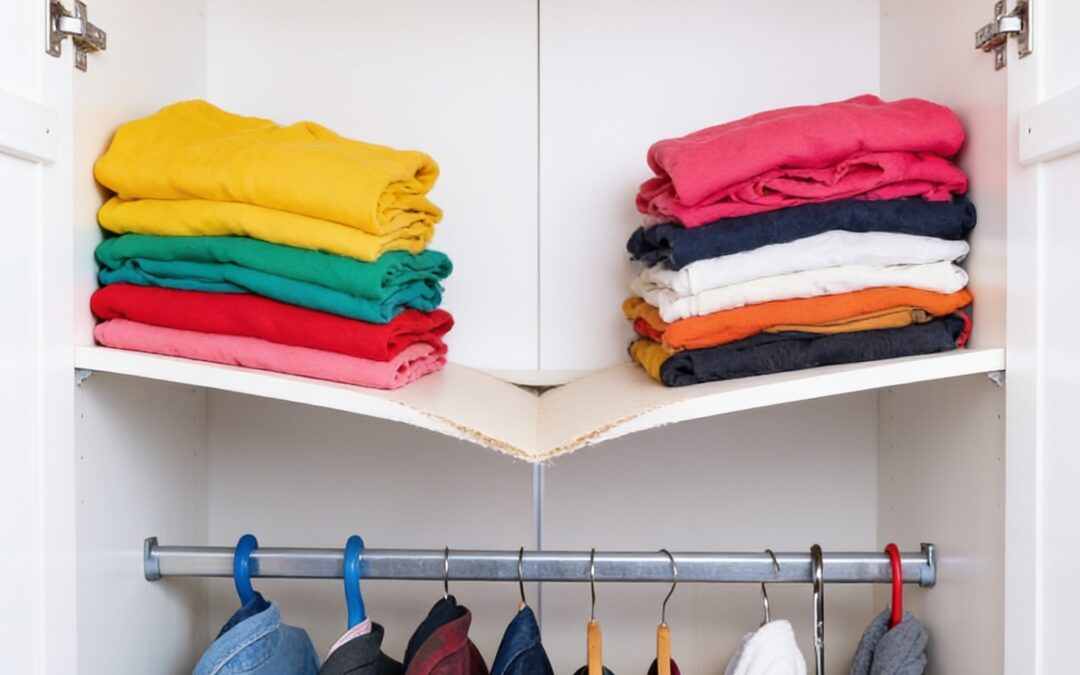
A bowed pantry shelf or broken cupboard support does not automatically mean the whole cabinet needs replacing. NexGen Tradies helps homeowners with cupboard shelf repairs in Perth, assessing damaged shelves, supports and surrounding cabinetry to establish what can be retained.
A replacement shelf may be practical when the cabinet remains sound. However, fitting a new shelf without checking its supports, intended load and the condition of the cupboard can leave the original problem unresolved.
The Short Version
Sagging cupboard shelves can often be replaced without replacing the cabinet. The repair should address the shelf, its supports and the surrounding panels together. Remove heavy items from visibly bowed shelves, stop using unstable storage, and resolve any moisture source before repairing water-damaged components.
Why Do Cupboard Shelves Start Sagging?
A shelf needs suitable support for its dimensions and the items placed on it. Over time, an unsuitable combination of shelf material, unsupported span and weight can lead to bowing.
Common contributing factors include:
- Heavy items concentrated in the middle
- A long shelf with insufficient support
- Damaged or missing shelf pins
- Loose brackets or fixing points
- Moisture affecting the shelf material
- Deterioration in the cupboard’s side panels
- A shelf that does not fit its supports correctly
The visible bow is only part of the assessment. A replacement needs to suit the cupboard and its intended use, rather than simply copy a shelf that has already failed.
Kitchen appliances, stacked crockery and bulk cleaning supplies can place considerable demands on storage. Explain what you normally keep on the shelf when requesting repairs.
Is the Shelf Damaged, or Have the Supports Failed?
A shelf that appears uneven may have a support problem rather than a damaged board.
One missing shelf pin can leave a corner unsupported. A broken bracket or damaged fixing hole can also allow a shelf to drop on one side.
Check from outside the cupboard for visible signs such as:
- One corner sitting lower than the others
- A gap between the shelf and its support
- A missing pin or bracket
- Cracks around a fixing point
- A shelf that has shifted sideways
Do not lift or reposition a loaded shelf to investigate. Remove its contents first, provided this can be done safely.
If the shelf is unstable, leave it unused until it has been assessed. Tightening or replacing a fitting is only useful when the surrounding material can hold it securely.
Can You Replace One Shelf Without Replacing the Cupboard?
Often, yes. Individual shelf replacement may be suitable when the cabinet sides, fixing locations and overall cupboard structure remain serviceable.
The replacement needs to fit correctly and work with the available supports. Thickness, dimensions, edge finish and clearance around hinges can all affect the result.
Matching an older shelf’s appearance may also require consideration. A new white shelf, for example, may look different from surrounding surfaces that have changed colour over time.
NexGen Tradies can assess existing shelving and discuss repair or replacement options appropriate to the cupboard’s condition.
This approach can retain useful cabinetry while addressing the component that needs attention.
Repair the Support, Replace the Shelf or Assess the Cabinet?
The right scope depends on where the failure has occurred.
| What you notice | What needs assessing |
|---|---|
| Shelf remains straight but one corner has dropped | Shelf pins, brackets and fixing locations |
| Shelf bows through the middle | Shelf material, span, loading and support arrangement |
| Shelf edge is swollen or deteriorating | Moisture source and extent of damage |
| Fixing holes are enlarged or crumbling | Condition of the cabinet side panels |
| Several shelves and panels are damaged | Overall cabinet condition |
| Shelf is sound but storage is awkward | Whether repositioning or changing existing shelves is practical |
A small repair may be enough when damage is localised. Where the supporting cabinet panels have deteriorated extensively, replacing the shelf alone may not provide a dependable result.
Different Cupboards Need Different Assessments
Kitchen and pantry shelves
Crockery, cookware and small appliances can create substantial loads. Tell the repairer which items need to return to the cupboard so the intended use forms part of the assessment.
Check that items can be accessed without dragging them across damaged edges or disturbing shelf supports.
Bathroom and laundry cupboards
Moisture damage deserves attention before replacement components are fitted. Swelling, lifting finishes or softened material can indicate that the shelf and surrounding panels need checking.
Any active leak should be addressed first by the appropriate trade.
Wardrobes and linen cupboards
Long shelves holding stacked linen, storage boxes or other household items may need their support arrangement reviewed. A replacement should account for both the available space and normal use.
Shed cupboards
Shed storage may hold tools, paint containers and hardware that are heavier than ordinary household contents. Mention the intended items and any exposure to damp conditions when enquiring.
Do not assume a shelf suitable for linen will suit workshop storage.
Will Turning a Sagging Shelf Over Fix It?
Turning a bowed shelf over does not address why it sagged.
It may also be unsuitable where the shelf has damaged edges, moisture deterioration or a finish intended for one visible face. The supports and surrounding cabinet still need checking.
Treat the bow as a reason to review the storage arrangement. Reducing the load may help prevent further strain while you arrange an assessment, but it does not establish that the shelf remains fit for use.
A lasting repair considers the whole arrangement rather than relying on a temporary change in position.
How to Prepare for Cupboard Shelf Repairs in Perth
1. Identify every affected shelf
Note which shelves bow, move or have damaged edges. Include missing supports and any nearby cupboard damage.
2. Remove the contents
Empty the affected storage carefully. Leave unstable shelves unused and avoid placing additional weight on them.
3. Take clear photographs
Include the whole cupboard, the shelf from the front and close-ups of damaged supports or fixing holes.
4. Describe what you store
Explain whether the cupboard holds linen, food, appliances, crockery or tools. This helps clarify the demands on the repaired shelf.
5. Mention moisture or previous repairs
Include any history of leaks, repeated support failures or earlier shelf replacement.
For other jobs worth checking at the same time, see NexGen’s complete guide to property maintenance.
What Should a Shelf Repair Quote Include?
Ask which components will be retained, repaired or replaced. The quote should make the intended scope clear, including any work to supports or damaged fixing points.
Discuss appearance where matching matters. Replacement edging and surfaces may differ from the existing cupboard.
If doors or hinges also need attention, include them in the enquiry. NexGen’s door and hinge repair services may be relevant to the wider repair list.
Providing the full picture helps avoid assessing the shelf in isolation.
Restore Useful Storage With NexGen Tradies
Before replacing an otherwise serviceable cupboard, find out whether its shelves and supports can be repaired.
NexGen Tradies assists Perth homeowners with existing cupboard repairs, restoration and replacement components where appropriate. An assessment can establish whether the problem is the shelf, the supports or the surrounding cabinetry.
Contact NexGen Tradies with photographs, your suburb and a description of what needs attention.
Frequently Asked Questions
Can a fixed cupboard shelf be replaced?
Sometimes. Access, the shelf’s fixing method and its role within the cabinet need checking before removal. Fixed shelves may contribute to the cabinet’s rigidity.
Can extra support be added to an existing shelf?
Additional support may be possible when the cupboard construction and available fixing points are suitable. The shelf’s condition and intended load also need assessment.
Should all shelves be replaced if one has sagged?
Not necessarily. One damaged shelf can be assessed individually, although the other shelves should be checked for similar loading or support problems.
Can shelf heights be changed during repairs?
Sometimes. Adjustable shelving may allow repositioning, while fixed shelves require a different assessment. Hinges, stored items and cabinet construction can limit the options.
Can NexGen Tradies repair shelves in shed cupboards?
Yes. NexGen Tradies can assess existing shed cupboard shelves and supports. Explain what you intend to store and whether the cupboard is exposed to damp conditions.
Recent Comments